
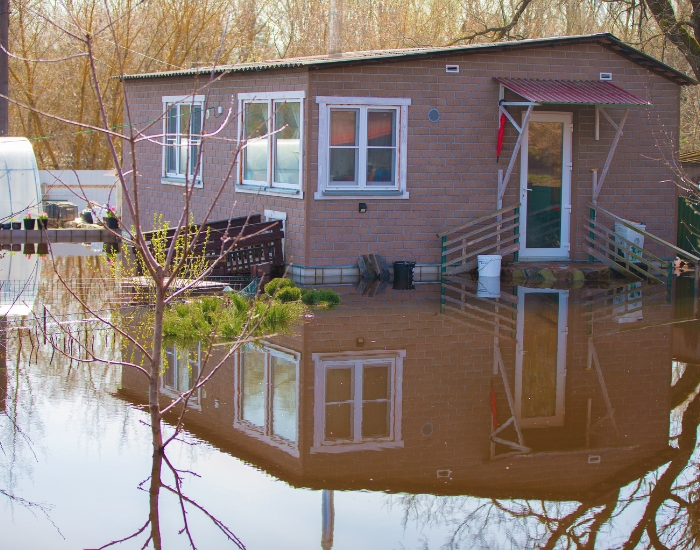
Living in Houston comes with a unique mix of opportunity, comfort, and climate-related risk. One moment, the weather is calm and sunny; the next, heavy rain, flooding, or storm warnings can change everything in hours. For homeowners in high-risk areas of Houston, understanding insurance isn’t just a financial decision—it’s a survival strategy for your property and peace of mind.
Many homeowners only realize the importance of proper coverage after a disaster strikes. But by then, recovery becomes stressful, expensive, and emotionally draining. This guide breaks down how home insurance truly works in high-risk zones across Houston, what risks you should pay attention to, and how to make smarter coverage decisions that actually protect your home long-term.
Table of Contents
Important Note
This guide is designed to help homeowners in Houston understand the real risks behind high-risk insurance zones and how coverage actually works. Many people assume standard home insurance protects everything, but that’s not always true—especially in flood-prone or storm-heavy areas. By understanding these gaps early, you can avoid costly surprises and make informed decisions that protect your home, your family, and your financial stability.
What Are High-Risk Areas in Houston?
In Houston, “high-risk areas” usually refer to neighborhoods that are more exposed to flooding, hurricanes, storm surges, or drainage-related water accumulation. These areas are not always obvious to homeowners. Sometimes, a beautiful residential community with modern homes can still sit inside a FEMA-designated flood zone.
Homeowners often ask, “Why is my house considered high-risk when it has never flooded before?” The answer lies in geography, rainfall patterns, and urban development. Houston’s flat terrain and clay-heavy soil make it difficult for water to drain quickly, which increases flood exposure even in areas that look safe on the surface.
Insurance companies use risk maps and historical weather data to classify these zones. If your home is in a high-risk category, your insurance requirements, premiums, and coverage options will look very different compared to lower-risk neighborhoods.
Why Houston Homes Face Higher Insurance Risk
Houston is one of the fastest-growing metropolitan areas in the United States, but its climate and geography create a challenging environment for homeowners insurance. The city is frequently affected by tropical storms, hurricanes from the Gulf of Mexico, and sudden cloudbursts that overwhelm drainage systems.
What makes Houston particularly complex is that flooding does not always come from rivers or oceans. In many cases, it is “pluvial flooding”—water accumulating faster than the ground or drainage systems can absorb it. This means even inland properties can experience serious water damage.
Another factor is rapid urban expansion. As more concrete surfaces replace natural land, water has fewer places to go. This increases runoff and raises the likelihood of localized flooding, especially during hurricane season.
For homeowners, this creates a frustrating reality: even if your property feels safe, the risk level assigned by insurers may tell a different story.
How Home Insurance Works in High-Risk Zones
Home insurance in high-risk areas is not fundamentally different in structure, but it is significantly more detailed in terms of exclusions and required add-ons. A standard homeowners policy typically covers fire, theft, and certain types of storm damage, but it does not automatically include flood protection.
This is where many homeowners in Houston get caught off guard. They assume “water damage” means all water-related issues, but insurance companies make a clear distinction between storm damage, rain intrusion, pipe bursts, and flooding.
In high-risk zones, insurers may also require additional documentation, inspections, or even mandatory flood insurance through federal programs like the National Flood Insurance Program (NFIP). This is especially common in areas close to bayous, low-lying neighborhoods, or coastal storm paths.
The goal of insurers is simple: to match risk with pricing. But for homeowners, the result often feels like higher premiums and more complex coverage decisions.
Flood Risk: The Most Overlooked Threat
Flooding is the single most important factor affecting home insurance in Houston high-risk zones. Yet, it is also the most misunderstood.
Many homeowners only think about floods during hurricanes. In reality, most flood claims in Houston come from heavy rainfall events that last just a few hours. Water enters homes through doors, foundations, or drainage backups, causing structural and electrical damage that can take months to repair.
Even a few inches of water can damage flooring, drywall, insulation, and electrical systems. In severe cases, entire sections of a home may need reconstruction.
Flood insurance is often purchased separately, and this is where expert guidance becomes critical. Without it, homeowners may discover after a storm that their “full coverage” policy does not include flood damage at all.
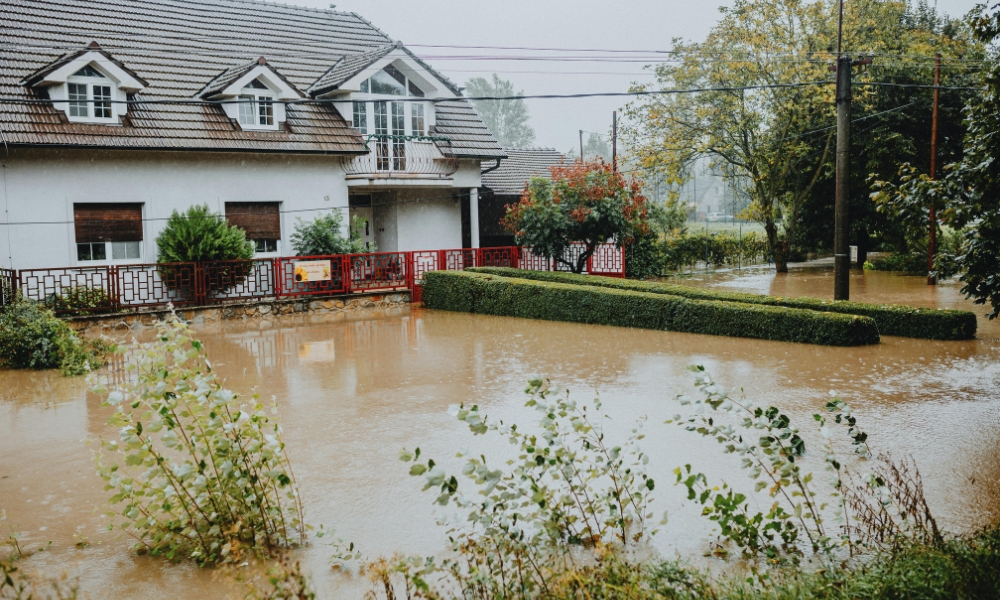
Storm & Hurricane Damage Coverage Explained
Houston homeowners are no strangers to hurricane warnings, but understanding how insurance responds to storm damage is often confusing.
Wind damage, roof damage, and structural issues caused by hurricanes are usually covered under standard home insurance policies. However, there are important limitations. Deductibles for hurricane-related claims are often higher than standard claims, and they may be calculated as a percentage of your home’s insured value rather than a fixed amount.
This means that after a major storm, homeowners may still face significant out-of-pocket costs before insurance coverage fully applies.
Another overlooked detail is roof condition. Older roofs or poorly maintained structures may reduce claim eligibility or result in partial payouts. Insurers expect homeowners to take preventive maintenance seriously, especially in storm-prone regions like Houston.
Understanding these fine details is crucial because storm season in Texas is not a question of “if,” but “when.”
Important Note
Not all water damage or storm damage is treated equally by insurance providers. Some claims are approved quickly, while others are partially denied due to policy exclusions or insufficient coverage. Homeowners should avoid assuming that “basic coverage” automatically means full protection. Reviewing policy terms with an experienced insurance broker can significantly reduce financial risk during emergencies.
Why Insurance Premiums Are Higher in These Areas
If you live in a high-risk area of Houston, you may notice that insurance premiums are significantly higher than average. This is not arbitrary—it reflects real actuarial risk.
Insurance companies calculate premiums based on historical loss data, climate patterns, construction risks, and claim frequency in your area. In neighborhoods that frequently experience flooding or storm damage, insurers expect higher payout rates, which directly affects pricing.
Another factor is reinsurance costs. Insurance companies themselves purchase insurance to protect against catastrophic losses. When risks rise in regions like Houston, those costs increase, and the difference is passed on to homeowners.
However, higher premiums do not always mean limited options. With the right guidance, homeowners can still find competitive policies that balance affordability with adequate protection.
Hidden Coverage Gaps Homeowners Miss
One of the biggest challenges in home insurance is not what is included—but what is missing. Many homeowners only discover coverage gaps when they file a claim and realize certain damages are excluded.
Common gaps in Houston high-risk areas include flood damage exclusion, limited sewer backup coverage, and restrictions on mold-related claims. Mold is particularly important because it often develops after water exposure but is treated as a separate issue under most policies.
Another overlooked area is temporary housing coverage. If your home becomes uninhabitable after a storm, not all policies cover living expenses for the full recovery period.
Understanding these gaps early helps homeowners build a more realistic protection strategy instead of relying on assumptions.
The goal is not just to buy insurance—but to understand exactly what your insurance will do when you need it most.
How Coverage Gaps Become Real Problems After a Disaster
In Houston, the true impact of home insurance isn’t felt when you purchase a policy—it becomes visible after a major storm, flood, or unexpected structural damage. Many homeowners assume they are fully protected, only to discover limitations at the worst possible moment.
One of the most common situations is flood-related denial. A homeowner may experience significant water damage after heavy rainfall, but if the water entered from the ground level or accumulated outside the structure, it is often classified as flooding rather than storm damage. In many standard policies, that distinction is critical—and expensive.
This is where emotional stress and financial pressure collide. Families are often displaced temporarily, repairs are delayed, and unexpected out-of-pocket costs begin to pile up. The gap between “what people think is covered” and “what is actually covered” becomes painfully clear.
Understanding these differences early is not about fear—it’s about prevention. Insurance is most powerful when it is correctly aligned with real environmental risks in your specific Houston neighborhood.
The Real Risk Factors Insurance Companies Evaluate in Houston Homes
When insurance companies assess a home in a high-risk Houston area, they do not rely on guesswork. Instead, they evaluate a combination of environmental, structural, and historical data points.
Elevation is one of the most important factors. Homes closer to sea level or near bayous face a higher likelihood of flooding. Drainage infrastructure in the neighborhood is also reviewed, especially in older parts of Houston where systems may not support modern rainfall intensity.
Construction quality plays another important role. Homes built with modern waterproofing systems, elevated foundations, and reinforced roofing structures often receive better policy terms compared to older homes without updates.
Even your claim history matters. If a specific neighborhood has a record of repeated insurance claims due to storms or flooding, insurers adjust pricing accordingly, even for individual homes that have never experienced damage.
This combination of factors explains why two homes on the same street can sometimes receive different insurance quotes.
Water Damage vs Flooding: Why This Difference Matters So Much
One of the most misunderstood concepts in home insurance is the difference between “water damage” and “flood damage.” On the surface, they sound similar, but in insurance terms, they are treated very differently.
Water damage typically refers to internal issues such as burst pipes, leaking appliances, or roof leaks caused by wind or storm impact. These are usually covered under standard homeowners insurance policies.
Flood damage, however, is defined as water entering your home from outside sources affecting multiple properties or a wide area. This includes rising groundwater, storm surges, and heavy rainfall accumulation. In most cases, flood damage requires separate flood insurance coverage.
In Houston, this distinction becomes critical during hurricane season. A single storm can cause both types of damage simultaneously, leaving homeowners confused about what is covered and what is not.
Many residents only learn this difference during claim filing, when insurance adjusters classify damages based on technical definitions rather than visible impact.
Do You Really Need Flood Insurance in Houston?
For homeowners in high-risk Houston areas, flood insurance is not just recommended—it is often essential. Even if your home has never flooded before, historical data shows that weather patterns in the region can shift rapidly.
Houston’s flat terrain, combined with heavy rainfall events and hurricane activity, makes it one of the most flood-prone metropolitan regions in the United States. Many properties that were considered “safe” a decade ago have now been reclassified into higher-risk flood zones due to updated mapping systems.
What surprises many homeowners is that flood damage can occur even outside officially designated flood zones. Overflowing drainage systems, blocked waterways, and unexpected storm surges can impact areas that appear geographically safe.
Flood insurance helps fill this critical gap. Without it, homeowners may face full financial responsibility for structural repairs, electrical system replacement, flooring damage, and mold remediation.
Understanding this risk is not about predicting disaster—it is about preparing for uncertainty in a region where weather conditions can escalate quickly.

What Actually Happens During Houston Storm Season
Storm season in Houston is not just a weather pattern—it is a recurring reality that shapes how insurance systems operate in the region. From late spring through fall, homeowners are exposed to tropical storms, hurricanes, and intense rainfall events that can develop quickly and unpredictably.
During these periods, insurance claims typically spike. Roof damage, broken windows, water intrusion, and foundation shifting become common issues reported across neighborhoods. Even homes that are structurally strong can experience damage due to wind pressure or sudden flooding.
What makes storm season particularly challenging is the speed of impact. In some cases, homeowners have only a few hours of warning before conditions deteriorate. This leaves little time for preparation beyond basic protective steps like securing outdoor items and checking drainage systems.
After a major storm, insurance adjusters are often overwhelmed with claims, which can slow down processing times. This delay adds another layer of stress for homeowners who are already dealing with repairs and temporary displacement.
Understanding the Insurance Claim Process in High-Risk Areas
Filing an insurance claim in Houston after storm or flood damage is not always straightforward. The process typically begins with documentation—photos, videos, and a detailed report of the damage. This step is crucial because insurers rely heavily on visual evidence when evaluating claims.
After submission, an adjuster is assigned to inspect the property. Their role is to determine the cause of damage and assess whether it falls within policy coverage. This is where technical distinctions—like water damage versus flood damage—become extremely important.
Once the evaluation is complete, the insurer provides a settlement offer. In some cases, this covers full repairs; in others, only partial reimbursement is approved depending on policy limits and exclusions.
For homeowners, the most stressful part is often the waiting period. Repairs may be delayed until approval is finalized, especially for large-scale structural damage.
Why Working With an Insurance Broker Makes a Big Difference
In high-risk Houston areas, choosing the right insurance policy is rarely simple. Every provider evaluates risk differently, and policy structures can vary widely in terms of coverage, exclusions, and pricing.
This is where insurance brokers play a critical role. Instead of offering a single policy, brokers compare multiple carriers to find coverage that aligns with both your budget and your property’s risk level.
They also help identify hidden exclusions that homeowners might miss when reviewing policies alone. This includes flood coverage gaps, deductible structures, and limitations on storm-related claims.
More importantly, brokers provide ongoing support—not just at the time of purchase, but during renewals and claims as well. This long-term relationship helps homeowners adapt their coverage as risks change over time.
In a city like Houston, where weather conditions and insurance regulations evolve frequently, having professional guidance can significantly reduce financial exposure and uncertainty.
Important Note
Insurance is not a “set it and forget it” decision—especially in high-risk areas like Houston. Home values, flood maps, and weather patterns change over time. Reviewing your policy annually ensures that your coverage still matches your real risk level. Many homeowners only discover outdated coverage after a disaster, which is often too late to make adjustments.
How to Choose the Right Home Insurance Coverage in Houston High-Risk Areas
Choosing home insurance in a high-risk Houston neighborhood is not just about picking the cheapest policy. It’s about understanding what kind of protection actually holds up when severe weather hits.
Many homeowners start with a price-focused mindset, but in flood-prone or storm-prone areas, that approach often leads to coverage gaps. The real goal is balance—finding a policy that is affordable, but still strong enough to handle worst-case scenarios like flooding, roof collapse, or structural water damage.
A good starting point is understanding your property’s exposure. If your home sits near a bayou, low-lying street, or historically flooded zone, flood insurance becomes just as important as standard homeowners coverage. On the other hand, if your main risk is wind or hurricane damage, your focus may shift toward windstorm deductibles and roof protection limits.
Every home in Houston has a slightly different risk profile, even within the same neighborhood. That’s why personalized evaluation matters more than generic insurance advice.
Why Deductibles Matter More Than You Think
Deductibles are one of the most overlooked parts of home insurance, yet they can dramatically impact your financial burden after a disaster.
In Houston, many policies include separate deductibles for hurricanes or named storms. Unlike standard fixed deductibles, these are often calculated as a percentage of your home’s insured value. That means a major storm can result in significantly higher out-of-pocket costs before insurance coverage fully kicks in.
For example, even a 2% hurricane deductible on a moderately priced home can translate into thousands of dollars in upfront repair responsibility. Homeowners often don’t realize this until they file a claim.
This is why reviewing deductible structures is just as important as checking coverage limits. A lower premium might look attractive at first, but it can come with higher financial risk during emergencies.
Roof Condition and Structural Risk in Houston Homes
Your roof is one of the most important factors in determining insurance eligibility and claim approval in Houston’s high-risk areas. Insurers closely evaluate roof age, material quality, and maintenance history.
Older roofs or those with visible wear may lead to higher premiums or reduced claim payouts. In storm-prone regions, roofing systems are expected to withstand strong winds, heavy rain, and debris impact.
Structural integrity also plays a major role. Homes with foundation issues or poor drainage systems are considered higher risk because they are more likely to suffer long-term damage during flooding events.
Even small structural weaknesses can become major problems during extreme weather. What might seem like a minor leak or crack during dry seasons can escalate into significant damage during a hurricane or flood.
Understanding Emotional Stress During Insurance Crises
Important Note
Experiencing home damage from floods or storms can be emotionally overwhelming. Beyond financial loss, homeowners often deal with uncertainty, displacement, and disruption to daily life. It’s important to remember that not all damage situations are catastrophic, and many issues can be repaired or restored with proper support. Avoid making rushed decisions during stressful moments, and seek professional guidance before finalizing claims or repair agreements.
Smart Prevention Strategies for Houston Homeowners
While insurance is essential, prevention plays an equally important role in protecting your home. Many of the most costly insurance claims in Houston could be reduced or avoided with proper maintenance and preparation.
One of the most effective steps is improving drainage around your property. Even small adjustments to landscaping can help redirect water away from your foundation during heavy rainfall.
Roof maintenance is another critical factor. Regular inspections can identify weak spots before storm season begins, reducing the likelihood of major leaks or structural damage.
Installing water barriers, sealing basement entry points, and maintaining gutters also contribute significantly to reducing flood-related risk.
These preventive measures not only protect your home physically but can also improve your insurance profile over time.

Long-Term Insurance Planning for High-Risk Areas
Home insurance should not be treated as a one-time purchase. In Houston’s evolving climate conditions, long-term planning is essential.
Flood maps change, weather patterns shift, and insurance regulations are updated regularly. A policy that fits your needs today may not fully protect you five years from now.
That’s why annual policy reviews are strongly recommended. These reviews help ensure your coverage reflects current risk levels and property value changes.
Home upgrades, renovations, or even neighborhood development can also affect your insurance requirements. For example, adding a second floor or improving drainage systems may reduce certain risks and potentially lower premiums.
Living in Houston: Balancing Comfort and Risk
Despite the risks, Houston remains one of the most dynamic and desirable cities to live in. Its strong economy, diverse communities, and cultural richness make it a place where many families choose to build their lives.
However, living here also means accepting environmental realities. High-risk areas are not necessarily unsafe—but they do require smarter planning and informed decisions.
Insurance is part of that balance. It does not prevent disasters, but it helps homeowners recover faster, rebuild stronger, and reduce financial stress after unexpected events.
The key is not fear—it’s preparedness. Understanding your coverage, knowing your risks, and staying proactive can make all the difference when nature becomes unpredictable.
Frequently Asked Questions (FAQ)
Is home insurance more expensive in high-risk areas of Houston?
Yes. Premiums are generally higher because insurers expect a greater likelihood of flood or storm-related claims. However, rates can vary based on home structure, location, and coverage choices.
Does standard home insurance cover flooding in Houston?
No. Most standard homeowners insurance policies do not cover flood damage. Separate flood insurance is usually required, especially in high-risk zones.
How do I know if my home is in a high-risk flood zone?
You can check FEMA flood maps or consult a licensed insurance broker. Many Houston neighborhoods fall into updated flood risk categories that homeowners are not always aware of.
What should I do immediately after storm damage?
Document all damage with photos and videos, ensure safety, and contact your insurance provider as soon as possible. Avoid making permanent repairs before approval unless necessary to prevent further damage.
Final Thoughts
Home insurance in Houston’s high-risk areas is not just a financial product—it’s a long-term protection strategy. Understanding how coverage works, what risks apply to your location, and how policies respond during real disasters can help you make smarter decisions that protect both your home and your future.
With the right guidance, especially from experienced professionals, homeowners can confidently navigate even the most complex insurance situations and stay prepared for whatever the Houston weather brings next.
Disclaimer: This article is for informational purposes only and should not be considered legal or insurance advice. Please consult a licensed insurance professional for personalized recommendations.